I grew up with PlayStation discs. You bought a game, took it home, put it on the shelf and could still pick it up years later. You could lend it to someone or sell it when you were finished. That was part of the appeal, not a technicality.
So Sony reminding PlayStation customers that software is licensed, not sold lands badly with me. Its UK software terms say plainly that the software is not sold for you to own. That may describe how game software has been licensed for years, but spelling it out while asking full price for downloads does not make the purchase feel more secure. It makes me ask what, exactly, my money guarantees.
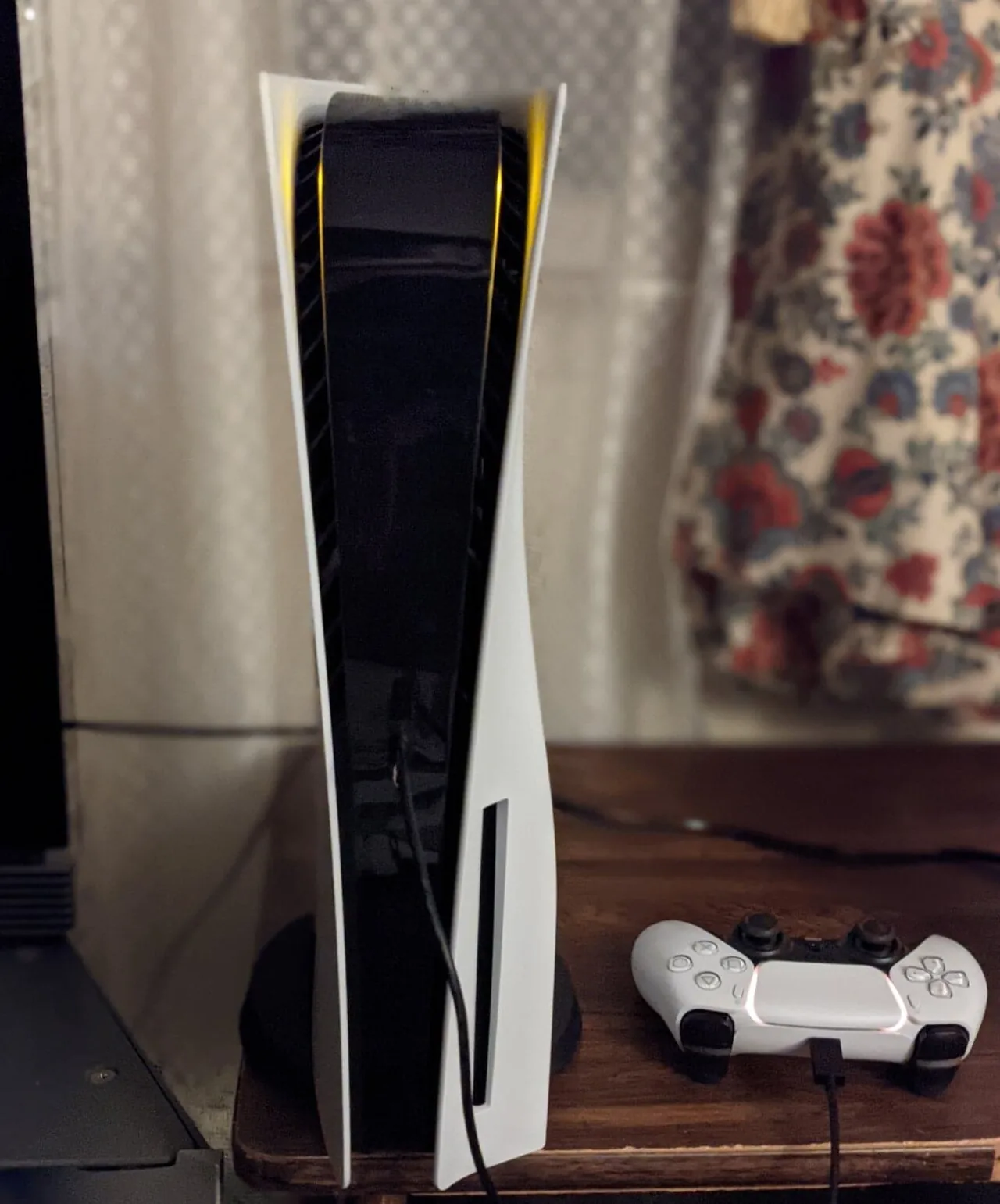
Photo: Osh33m / Wikimedia Commons, CC BY-SA 4.0. Resized and converted to WebP.
The disc is becoming the exception#
Sony’s Japanese store lists the UBP-X700/K 4K Blu-ray player as no longer being restocked. A home-video player and a PlayStation game are different products, and this does not mean Sony has stopped making game discs or that 4K Blu-rays have vanished. But for someone who values physical media, it is another unwelcome signal about where the company’s priorities lie.
There is a difference between selling digital games as a convenient choice and making physical alternatives harder to find while emphasising how limited a digital buyer’s rights are. If customers dislike that direction, Sony cannot act surprised. Trust is earned by giving people confidence that what they pay for will remain usable.
A digital purchase is not literally a short-term rental: many games remain playable for years. But it is also not the straightforward ownership I associate with a disc on my shelf. I cannot sell a downloaded copy when I am done with it. Access may depend on an account, a download remaining available, or services a game requires. Paying the same sort of price while accepting those dependencies does not appeal to me.
Nintendo should not get a pass either#
This is not just a Sony problem. Nintendo’s official explanation of Switch 2 game-key cards says there is no game data on the card. You need an internet connection to download it the first time. The card must then be inserted to play; Nintendo says the game can be started offline after that initial download.
That is a physical object, but it is not a self-contained physical copy of the game. If the download is no longer available when somebody finds that card years from now, the card alone will not preserve it. Not every Switch 2 game uses a game-key card, so I would check the packaging rather than assume a box contains the game.
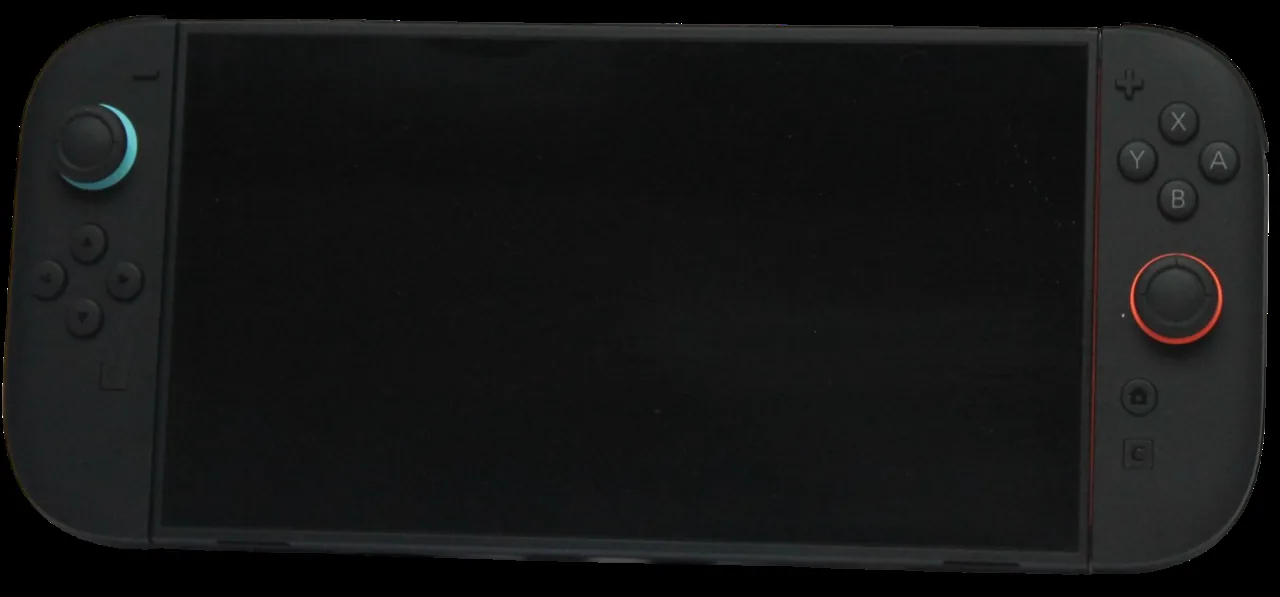
Photo: AOMAF2024 / Wikimedia Commons, CC0. Resized and converted to WebP.
What I will buy#
I would rather buy complete games on disc or cartridge wherever that option exists, and keep my films on physical media too. A playable copy in my possession gives me more independence than a purchase tied entirely to an account or a storefront.
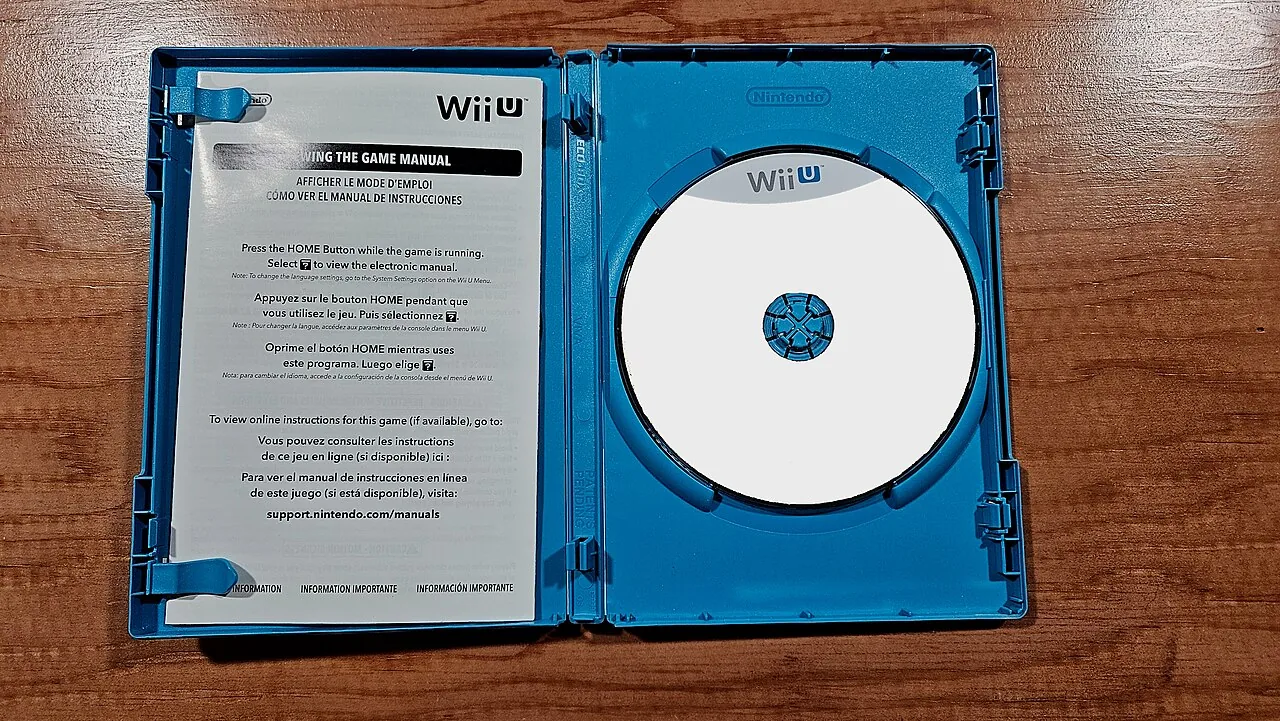
Photo: Chris Williams / Wikimedia Commons, CC0. Resized and converted to WebP.
I would not claim a disc is magic. Some boxed games contain only part of the game, need a download, or depend on servers. And owning a disc is not the same thing as owning the copyright to its software. But a complete, offline-playable copy cannot simply be removed from my shelf by changing a storefront listing. That is a practical difference worth protecting.
Sony and Nintendo are free to make digital access convenient. I am free to decide that convenience is not enough. If they want me to pay full price, I want a game I can actually keep.